Portfolio / 2026

Ideas made real.

Websites, applications and platforms — each one designed around a real business problem. Explore how CodeXon takes a product from challenge to architecture.

03Platform studies
03Industries
04Step process
03Service lines
Platform studies / 01—03

Beyond the website.

Illustrative concept studies showing our design and engineering approach. They are not presented as delivered client projects.

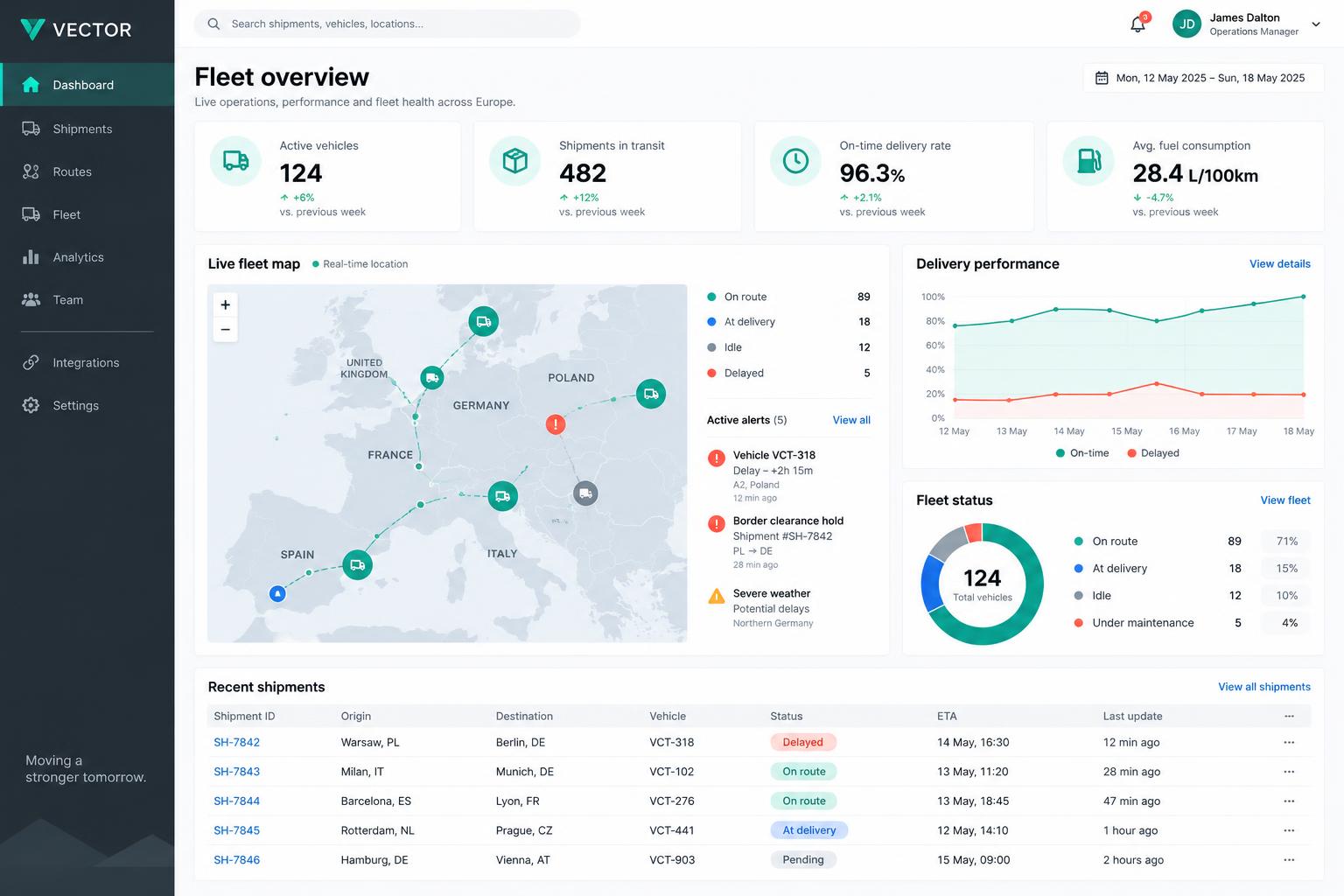
VECTOR
VECTOR fictional platform design study

VECTOR

Concept study

Logistics / Operations platform

A multi-region freight operations concept connecting shipment tracking, fleet availability and delivery exceptions in a single workspace.

Core views
Map · Queue · Timeline
Roles
Dispatch · Manager · Client
Focus
Exception handling

Challenge

Dispatchers juggle carrier portals, spreadsheets and phone calls, so delayed loads are spotted late and escalations depend on memory.

Approach

One live operations map with an exception queue first, ranked by delivery risk, and every shipment one click from its full timeline.

Proposed scope

  • Live fleet map with route and shipment filters
  • Dispatch workflows and exception escalation
  • Role-based operations views and reporting

Deliverables

  • Discovery workshops with dispatch and customer-service roles
  • Clickable prototype of map, queue and shipment timeline
  • Design system for dense operational data
  • Carrier integration and event model specification
TypeScriptReactPostgreSQLEvent queueMap tilesREST carrier APIs

Proposed architecture: typed web application, event-driven status updates and carrier API integrations.

Design focus: make delayed shipments easy to identify without losing the wider operational picture.

Proposed phasing: discovery 2 wks · prototype 3 wks · MVP build 10–12 wks
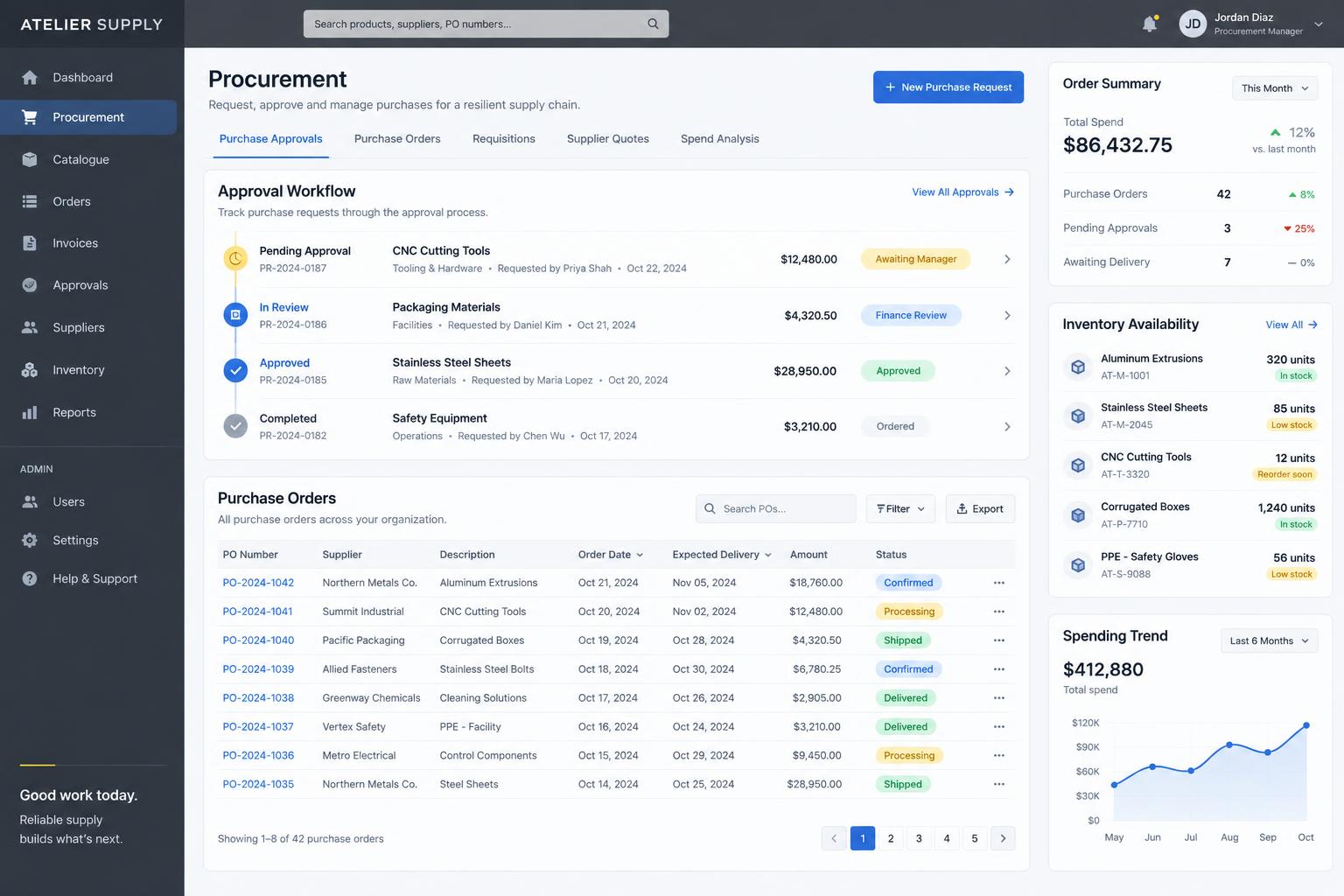
ATELIER SUPPLY
ATELIER SUPPLY fictional platform design study

ATELIER SUPPLY

Concept study

B2B commerce / Procurement portal

A procurement platform concept for manufacturing teams, combining supplier catalogues, purchasing approvals and inventory visibility.

Core views
Catalogue · Approvals · Invoices
Roles
Buyer · Approver · Finance
Focus
Audit trail

Challenge

Purchase requests travel by email, approvals stall, and invoices rarely match what was ordered or received.

Approach

A single request-to-invoice record shared by buyers, approvers and finance, with approval rules configured per cost centre.

Proposed scope

  • Multi-stage purchase approvals and audit history
  • Supplier catalogues with company-specific pricing
  • Order, invoice and inventory reconciliation

Deliverables

  • Process mapping of the purchase-to-pay flow
  • Approval rule designer and audit history
  • Supplier catalogue with negotiated pricing
  • ERP sync specification and reconciliation views
TypeScriptReactPostgreSQLRole-based accessERP connectorPDF generation

Proposed architecture: authenticated customer portal, permission-aware workflows and ERP integration.

Design focus: give buyers and approvers a clear shared record from request to fulfilment.

Proposed phasing: discovery 3 wks · prototype 3 wks · MVP build 12–14 wks

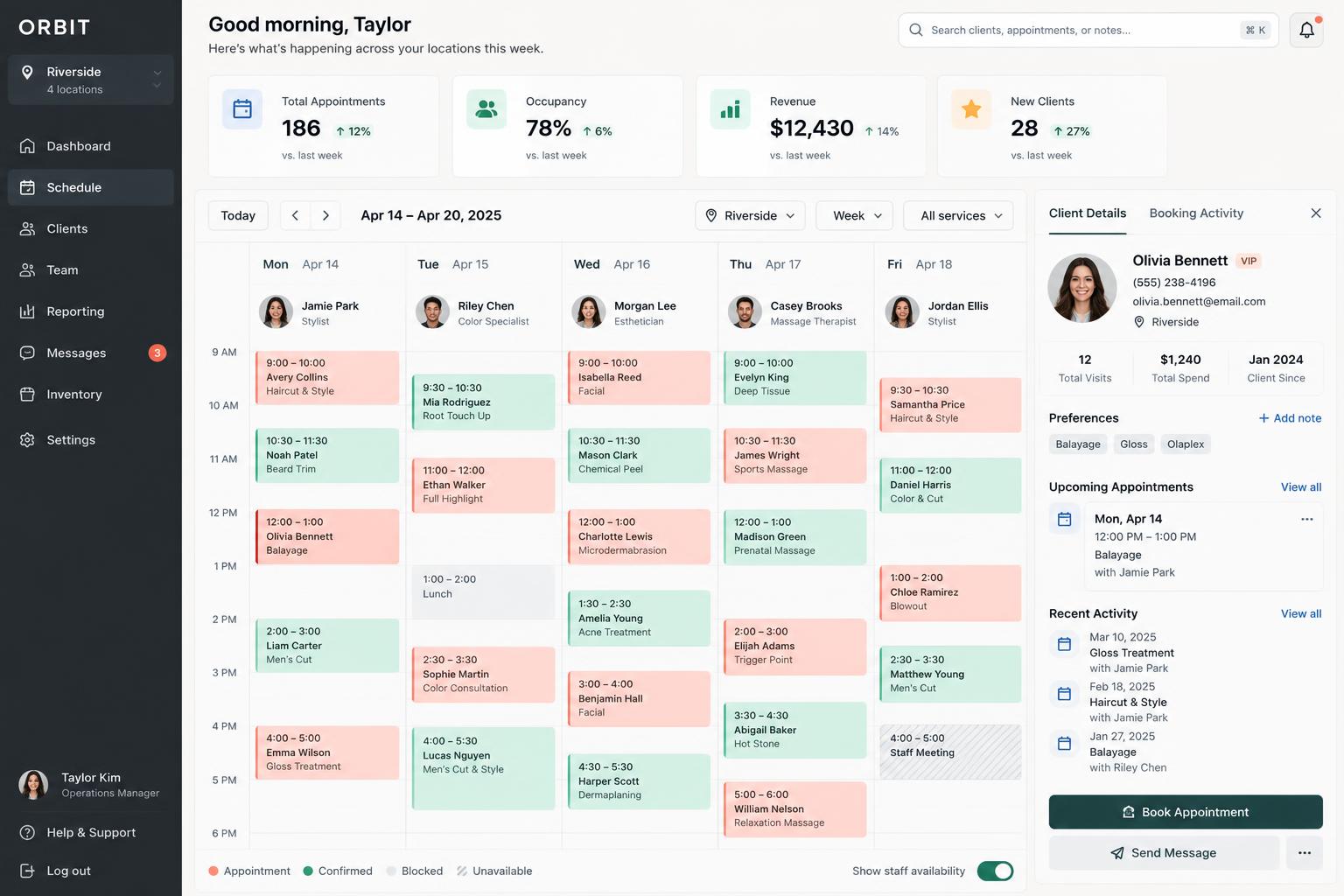
ORBIT
ORBIT fictional platform design study

ORBIT

Concept study

Scheduling / Multi-location SaaS

A service-business platform concept bringing staff schedules, client records and location-level reporting into one coordinated experience.

Core views
Calendar · Clients · Reports
Roles
Owner · Manager · Staff
Focus
Conflict-free booking

Challenge

Multi-location service businesses double-book staff, lose client context between branches and wait weeks for reports.

Approach

A conflict-aware calendar that stays readable at a glance, with client history and branch reporting layered in rather than bolted on.

Proposed scope

  • Staff availability and conflict-aware appointment planning
  • Client history and notification preferences
  • Multi-location reporting and team permissions

Deliverables

  • Scheduling rules and edge-case catalogue
  • Calendar, client profile and reporting prototypes
  • Notification preferences and reminder flows
  • Tenant isolation and permissions model
TypeScriptReactPostgreSQLBackground jobsEmail/SMS providerCalendar sync

Proposed architecture: tenant-isolated application, transactional scheduling and background notification jobs.

Design focus: keep the weekly calendar readable while exposing the context behind each appointment.

Proposed phasing: discovery 2 wks · prototype 3 wks · MVP build 10 wks

How every project runs
01

First, your vision.

We talk about your idea, your audience and what a successful result means to you.

02

Then, a clear plan.

We agree on the scope, approach and quote before the development starts.

03

Next, we make it real.

Design and code come together, with opportunities for you to review and give feedback.

04

Finally, ready for the world.

We check the details together, launch your website and discuss what comes next.